
Table of Contents
- Why Your Beard Is Dry and Brittle
- How to Soften Coarse Beard Hair
- How to Apply Beard Oil Correctly
- Beard Wash vs Shampoo: What's the Difference?
- Building a Daily Beard Care Routine
- Troubleshooting: Buildup, Product Choice, and Common Mistakes
- Frequently Asked Questions
Last Updated: September 18, 2026
Why Your Beard Is Dry and Brittle
Dry beard hair is a moisture problem, not a hair-type problem. Beard hair is coarser than scalp hair and loses moisture faster, turning brittle when natural oils get stripped away faster than your skin can replace them. Guys often blame genetics when the real culprit is a routine that removes oil without putting any back.
External Causes: Water, Weather, and Washing
External causes do most of the damage, and most happen in the shower.
- Hot water strips the natural oils that keep beard hair supple.
- Harsh shampoo is built for scalp hair and overwhelms coarser facial hair.
- Cold, dry air pulls moisture out of the hair shaft, especially in winter.
- Over-washing removes oil faster than your skin can replace it.
Internal Causes: Hydration and Diet
What you drink and eat shows up in your beard. Hair is mostly protein, so a diet low in protein, healthy fats, and key vitamins gives your body less to work with. Dehydration does the same from the inside.
- Drink more water throughout the day.
- Eat protein at most meals (eggs, fish, lean meat, beans).
- Add healthy fats like olive oil, nuts, and avocado.
- Don't skip foods rich in biotin and zinc.
How to Soften Coarse Beard Hair
The fastest way to soften coarse beard hair is to add moisture back, then seal it in. Two steps, in this order, every time.
A few rules that make the biggest difference:
- Apply to damp hair, never bone-dry hair.
- Use lukewarm water, not hot.
- Massage product down to the skin, not just the surface.
- Brush with a boar bristle brush to spread natural oils evenly.
How to Apply Beard Oil Correctly
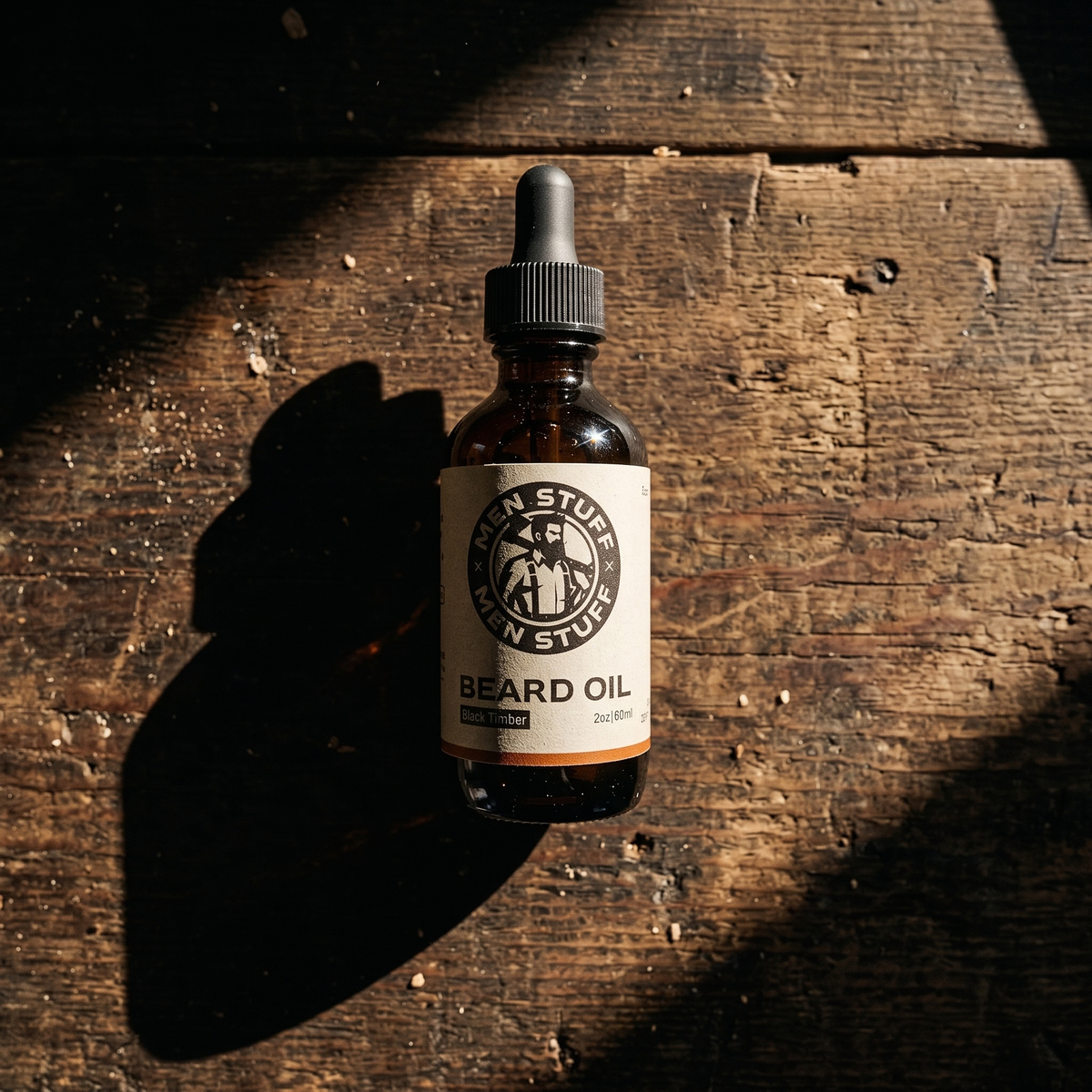
Applying beard oil correctly means working it into damp hair and skin, not slicking it on the surface. The goal is even coverage from root to tip, with extra attention to the skin underneath.
Why Damp Hair Absorbs Oil Better
Hair is hygroscopic, meaning it pulls water from the air and whatever you put on it. When the cuticle is slightly swollen with water, the overlapping scales lift just enough for oil to slip between them and reach the cortex. On bone-dry hair, those scales lie flat and the oil sits on the surface, leaving a greasy sheen without real softness underneath.
Which Carrier Oils Actually Penetrate
Not all beard oils are built the same, and the carrier oil blend matters more than the fragrance:
- Jojoba is technically a liquid wax ester, and its structure is close enough to human sebum that it absorbs readily and conditions skin as well as hair.
- Argan is rich in vitamin E and fatty acids, penetrates well, and stays light, a good pick if heavier oils leave you greasy.
- Coconut oil penetrates the shaft because its lauric acid molecules are small enough to get inside the cortex, but it can clog pores on acne-prone skin, so patch-test first.
- Castor oil is thick and largely coats the surface. It adds shine and helps with hold, but it is not a deep conditioner on its own.
- Mineral oil and silicone-heavy blends coat the strand and look great for an hour, but they seal the cuticle and block the water and oil you apply later. If your beard feels coated rather than soft, check the ingredient list for dimethicone or cyclopentasiloxane near the top.
Step-by-Step Application
- Wash your face and beard with lukewarm water.
- Pat dry with a towel, leaving the beard slightly damp, not dripping.
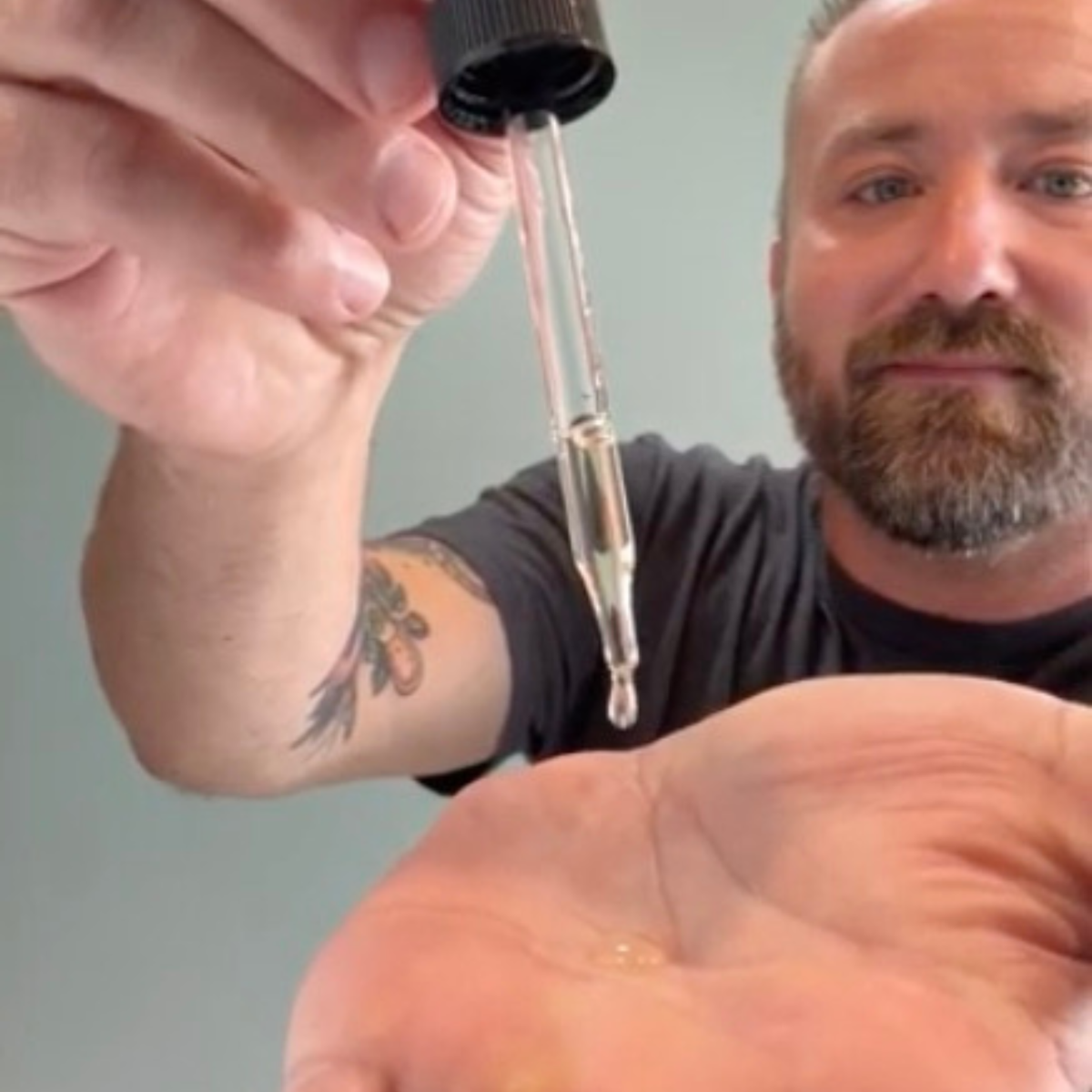
- Drop 3-6 drops of beard oil into your palm. Short beards: 3. Medium: 4-5. Long or thick: 6-8, split across two passes.
- Rub your palms together to warm the oil. Warm oil spreads more evenly than cold.
- Massage it into the skin under your beard first, working in small circles.
- Work the remaining oil through the hair from root to tip, finishing at the ends where dryness shows first.
- Comb or brush to spread it evenly and lift any clumping.
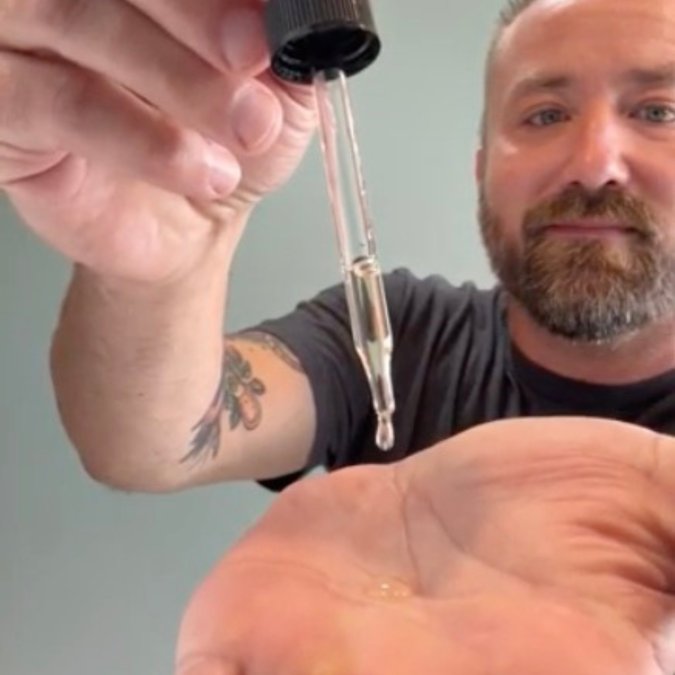
Close-up of a man with a full beard applying beard oil to his palms, warm bathroom lighting, focused expression
Beard Wash vs Shampoo: What's the Difference?
Beard wash is not the same as shampoo, and using the wrong one is a top cause of a dry, itchy beard. Regular shampoo is made for the scalp and designed to strip oil, which is fine for hair that produces a lot of it. Your beard doesn't produce oil the same way, so shampoo leaves it dry and brittle.
Factor |
Beard Wash |
Regular Shampoo |
|---|---|---|
Designed for |
Facial hair and skin |
Scalp hair |
Cleansing strength |
Gentle |
Strong |
Effect on natural oils |
Preserves them |
Strips them |
Risk of dryness |
Low |
High |
Best use |
Daily or every other day |
Not for beards |
Building a Daily Beard Care Routine
A daily beard care routine doesn't need to be complicated. Five minutes in the morning and two at night is enough if you're consistent. The routine that works is the one you'll stick to, but it also has to account for your water and climate, which strip more moisture than any product decision you'll make.
Fix Your Water Before You Fix Your Routine
If you have hard water, you start every wash at a deficit. Hard water carries dissolved calcium and magnesium, and those minerals bind to the fatty acids in soap and shampoo, forming a scum that clings to the hair cuticle. That film makes hair feel rough and dull and blocks the oils you apply afterward from reaching the shaft. A guy with hard water can follow a perfect routine and still have a straw-textured beard.
Signs you are dealing with hard water:
- White or chalky scale on your showerhead and faucets
- Soap that will not lather well
- A filmy or squeaky feel on your beard right after rinsing
- Dryness that gets worse in winter and never fully clears up
What helps, in order of effort:
- A showerhead filter, carbon and KDF filters reduce chlorine and some sediment. They do not fully soften water, but they help, and they are cheap.
- A chelating or clarifying beard wash used once every week or two to lift mineral film. Look for ingredients like EDTA or phytic acid, which bind to metal ions so they rinse away.
- A final rinse with filtered or distilled water if your water is very hard. Fill a pitcher, pour it over the beard after your normal rinse, and you skip the mineral deposit entirely.
- A whole-home water softener if hard water is a chronic problem in your area. This is the real fix, but it is a bigger investment.
Adjust for Cold Weather and Indoor Heating
Cold outdoor air holds little moisture, and heated indoor air holds even less. Furnaces pull humidity out of a room, and in a typical heated home in winter, indoor relative humidity can drop into the 20-30% range, dry enough to pull water out of your beard overnight. Two adjustments matter:
- Run a humidifier in the room where you sleep. Aim for 40-50% relative humidity. This is the single highest-impact change for winter dryness.
- Switch to a heavier sealant at night. Beard butter or balm on top of oil slows moisture loss while you sleep, which is when your beard is exposed to dry air for the longest stretch.
Morning Routine
- Rinse with lukewarm water. Hot water strips oils on contact.
- Pat dry, leaving it damp.
- Apply beard oil, massaging to the skin.
- Brush with a boar bristle brush to spread oils and smooth the hair.
- Add beard balm or butter if you want shape and hold.
Evening Routine
- Wash with beard wash 2-3 times a week.
- Apply a heavier product like beard butter before bed.
- Comb through to distribute it evenly.
- Skip the wash on off nights; just rinse and re-oil.
Support It From the Inside
Topical care only goes so far. Beard hair is roughly 95% keratin, a protein, and needs raw material to build. A few things consistently show up in healthy beards:
- Water. Aim for a steady intake through the day rather than chugging at night. Dehydration shows up in hair and skin before it shows up anywhere else.
- Protein at most meals. Eggs, fish, lean meat, beans, and dairy all supply the amino acids your body uses to build keratin.
- Omega-3 fats. Fatty fish, walnuts, and flaxseed support the skin's oil barrier, which is what feeds your beard from the follicle.
- Biotin and zinc. Found in eggs, nuts, seeds, and leafy greens. Deficiency is uncommon in a normal diet, but if your diet is narrow, it is worth a look.
Troubleshooting: Buildup, Product Choice, and Common Mistakes
Product buildup is the hidden cause of a beard that feels dry even when you're doing everything right. When oil, butter, and balm pile up without proper cleansing, they seal the hair off from moisture instead of locking it in. The result feels like dryness, but the fix is different.
Signs of buildup:
- Beard feels waxy or heavy
- Flaking that isn't dandruff
- Hair looks dull despite regular oiling
Other common mistakes that keep a beard dry:
- Over-washing strips oils faster than the skin can replace them.
- Using hot water removes natural oils on contact.
- Applying oil to dry hair means it sits on top instead of absorbing.
- Skipping exfoliation lets dead skin build up under the beard.
- Ignoring diet and water intake leaves the inside unsupported.
Frequently Asked Questions
Can a dry beard be saved?
Yes. Dry beard hair is damaged, not dead. With a consistent routine that includes gentle cleansing, regular oil application, and reduced heat exposure, most men see softer, more manageable hair within two to four weeks. The key is addressing the cause, whether that's harsh shampoo, skipping conditioner, or not drinking enough water.
How do I rehydrate my beard?
Start by washing with lukewarm water and a gentle beard wash, then apply beard oil while the hair is still damp. This locks in moisture. Follow with a beard butter or balm for deeper conditioning. Drink more water throughout the day, and avoid hot showers that strip natural oils from your skin and hair.
How often should you wash a dry beard?
Wash your beard two to three times per week with a dedicated beard wash. Daily washing, especially with regular shampoo, strips sebum and makes dryness worse. On off days, rinse with warm water and massage your skin to loosen dirt without stripping oils. If your beard feels itchy or flaky, a gentle wash schedule plus regular oiling usually clears it up.
Does beard oil actually moisturize hair?
Beard oil moisturizes by coating the hair shaft and sealing in water, not by adding water itself. The carrier oils, like jojoba and argan, mimic sebum and smooth the cuticle, which reduces brittleness and split ends. For best results, apply oil to damp hair after a shower so it traps moisture rather than just sitting on dry strands.
Fixing dry beard hair comes down to a simple routine you'll actually keep: gentle cleansing, oil on damp hair, and consistency. Men Stuff makes that easy with beard oils, washes, and butters built for men who want results without the flower-shop scents. Every product is made in the USA, backed by a 365-day return policy, and designed to work in a five-minute routine. Shop All MEN STUFF and give your beard the care it's been missing.