
Table of Contents
- Why Your Beard Itches (And How Long It Lasts)
- Step 1: Wash With a Sulfate-Free Beard Wash
- Step 2: Exfoliate to Clear Dead Skin and Prevent Ingrown Hairs
- Step 3: Moisturize With the Best Natural Beard Oil for Itch Relief
- Beard Grooming for Sensitive Skin: What to Avoid
- Internal and Environmental Triggers That Make It Worse
- Troubleshooting: When It's More Than Dry Skin
- Frequently Asked Questions
Last Updated: September 20, 2026
Why Your Beard Itches (And How Long It Lasts)
Most beard itch comes down to one thing: your skin is dry and your hair is pushing through it. When new beard hairs grow, they pull moisture away from the skin underneath. That leaves you with tightness, flaking, and the urge to scratch all day.
The good news is that beard itch is temporary for most men. It usually fades once the hair grows past the prickly stubble stage.
The Growth Phase Timeline
Beard itch typically lasts two to four weeks. That's the window when new hairs are sharp and your skin hasn't adjusted yet.
A few things change that timeline:
- Hair thickness: Coarser hair causes more irritation and takes longer to soften.
- Skin type: Dry or sensitive skin itches longer without help.
- Your routine: Daily washing and moisturizing can cut the worst of it short.
Once hairs grow longer and bend instead of poking straight out, the itch fades. For most men, that's around the one-month mark.
Step 1: Wash With a Sulfate-Free Beard Wash
Sulfates strip your skin of the natural oils it needs. That's the fastest way to make beard itch worse.
Regular shampoo and bar soap are the usual culprits. They clean too hard. Your face ends up tight and dry, and the itch kicks in within hours.
Switch to a beard wash made without sulfates. Look for aloe, glycerin, and provitamin B5 on the label. These clean without leaving your skin stripped.

Wash two to three times a week, not daily, unless you work somewhere dirty or sweaty. Rinse with warm water, never hot.
Step 2: Exfoliate to Clear Dead Skin and Prevent Ingrown Hairs
Dead skin cells build up under your beard and clog pores. That leads to flaking, irritation, and ingrown hairs.
Exfoliating once or twice a week clears that buildup. You don't need a harsh scrub. A soft boar bristle brush works well for most men.
Here's the routine:
- Wash your beard with warm water.
- Brush in slow circles against the grain of your hair.
- Rinse and pat dry.
- Follow with oil while the skin is still slightly damp.
Skip this step if your skin is raw or broken. Exfoliating damaged skin makes things worse, not better.
Step 3: Moisturize With the Best Natural Beard Oil for Itch Relief
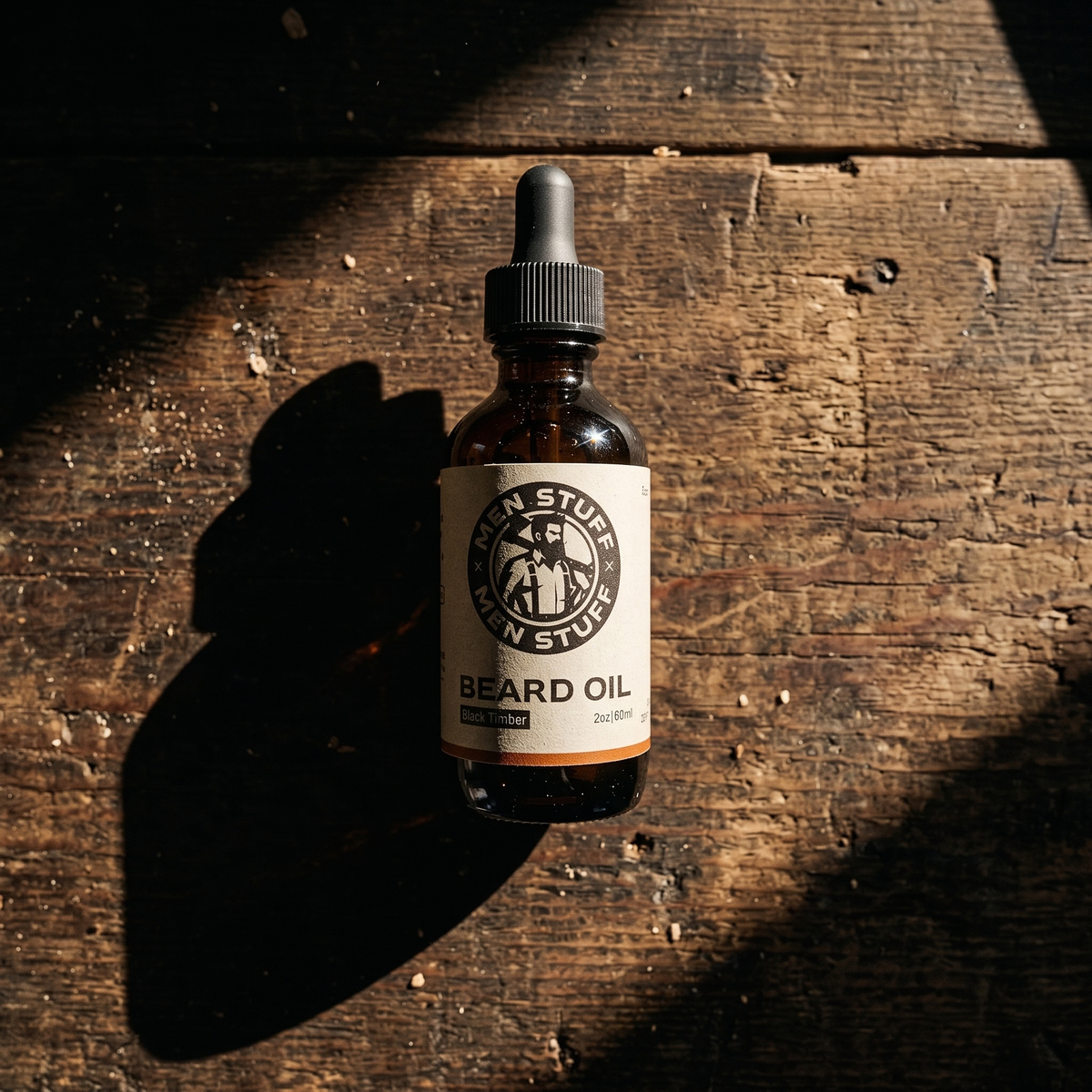
The best natural beard oil for itch relief is one built on lightweight carrier oils that mimic your skin's own sebum. Argan, jojoba, and grape-seed oil absorb fast and calm the skin without leaving grease behind.

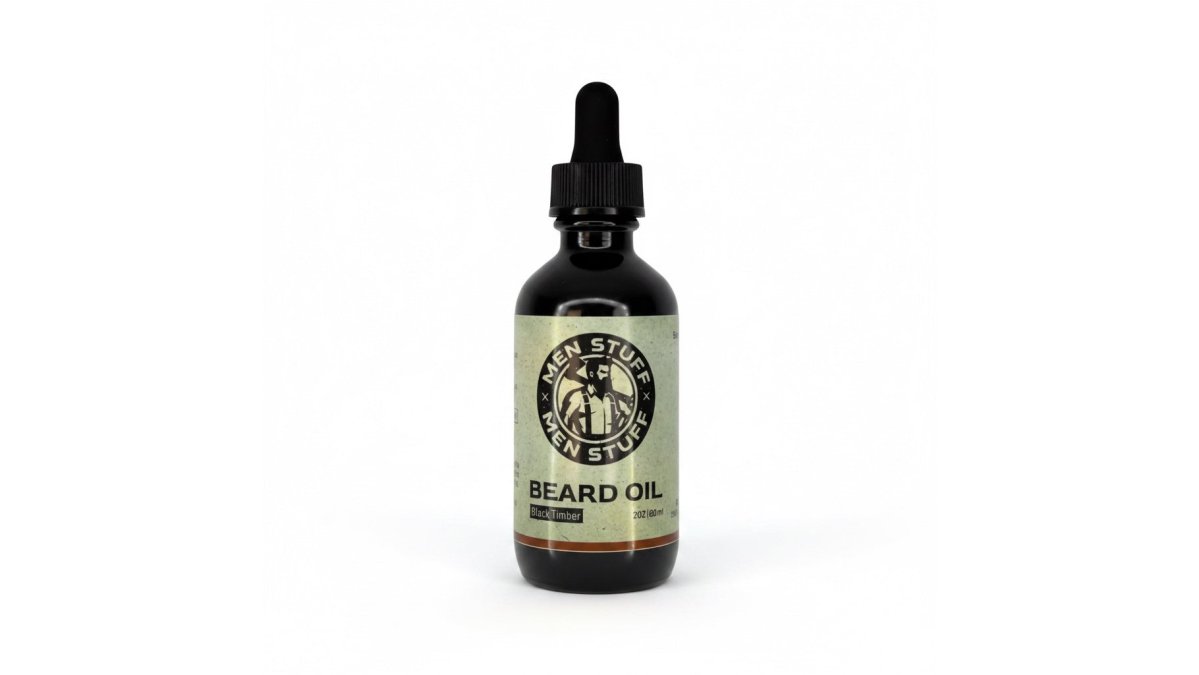
How to Apply Beard Oil for Maximum Absorption
Apply oil to a clean or slightly damp beard. Damp skin absorbs it better.
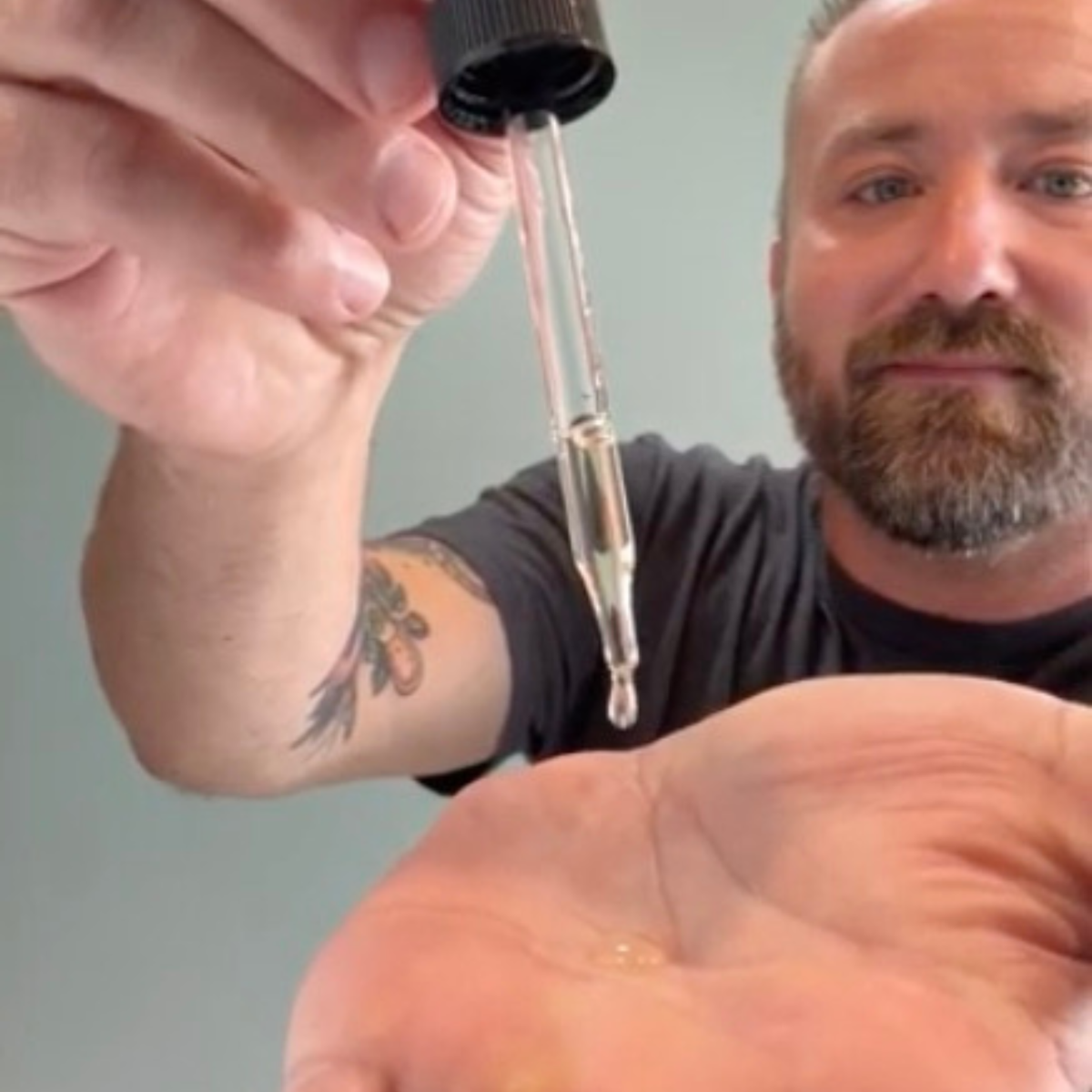
- Put three to five drops in your palm.
- Rub your hands together.
- Work it into the skin under your beard first, not just the hair.
- Comb through with a boar bristle brush.
Beard Grooming for Sensitive Skin: What to Avoid
Sensitive skin isn't one thing. Oily, dry, and reactive skin each break down differently under a beard, and the fix that calms one can aggravate another. Most guides hand you a single avoid-list. Here's the version that actually changes based on your skin.
Match the Routine to Your Skin Type
Dry or flaky skin. Your barrier is already leaking moisture. The itch comes from tightness and micro-cracks, not from oil buildup. Wash less, twice a week is plenty, and layer a heavier balm over your oil at night. Look for shea butter or lanolin near the top of the ingredient list. Skip clay-based washes and anything labeled "deep clean."
The Specific Ingredients to Watch
- Synthetic fragrance and "parfum": The single most common cause of contact irritation on the face. Fragrance-free is not the same as unscented, unscented products can still contain masking fragrance.
- Denatured alcohol and SD alcohol: They evaporate fast and take your skin's moisture with them. A little in a toner is fine; a lot in a leave-on beard product is not.
- Sulfates (SLS, SLES): They strip the lipid barrier. If your face feels tight ten minutes after washing, this is usually why.
- Essential oils at high concentration: Peppermint and eucalyptus feel cooling but can trigger redness in reactive skin. Use them in a carrier oil, never neat.
- Tight combs and stiff brushes: Physical irritation is real. A boar bristle brush with soft-to-medium stiffness is gentler than a metal comb dragged through tangles.
A Patch Test That Actually Works
Men Stuff makes fragrance-free and lightly scented options for exactly this reason. Our Beard Wash uses organic aloe, chamomile water, and provitamin B5 with no sulfates, so it cleans without the tight, dry feel that sets off itching in dry and reactive skin.
Internal and Environmental Triggers That Make It Worse
Almost every article on beard itch stops at the bathroom counter. But your skin barrier is built from the inside out, and the air around you pulls moisture out of it all day. This is the part most guides skip, and it's often why a perfect topical routine still leaves you scratching. Addressing these systemic hydration deficits requires a broader approach to dermal health, which is why integrating the principles found in our natural skincare guide can help restore the balance your face needs to stop the irritation at its source.
Internal Factors: What Your Skin Is Built From
Hydration. Your stratum corneum, the outer layer of skin, needs water to stay flexible. When you're dehydrated, that layer cracks at a microscopic level, and every beard hair moving across it feels like sandpaper. There's no universal ounce target, but a practical check is urine color: pale straw means you're hydrated, dark amber means you're behind. Coffee and alcohol both count against you because they're mildly diuretic.
Environmental Factors: What's Happening Outside Your Skin
Indoor humidity. Central heat and air conditioning both drop indoor relative humidity, often into the 20-30% range in winter. Skin loses water fastest below about 40% relative humidity. A cheap hygrometer will tell you where you stand; a humidifier set to 40-50% is one of the highest-leverage fixes for winter itch.
A Simple Diagnostic: If This, Then That
- Itch is worst in winter and indoors → humidity problem. Add a humidifier and a heavier balm at night.
- Itch flares after washing → water or cleanser problem. Try a filter or a gentler, sulfate-free wash.
- Itch is constant and flaky year-round → likely internal or a skin condition. Check hydration and fats first, then see a dermatologist if it persists past a month.
- Itch started after a diet change or a stressful stretch → internal trigger. Reintroduce whole foods, fatty fish, and consistent water intake for two weeks and reassess.
A humidifier in winter and a water filter for hard water can help more than any single product, but they work best alongside a consistent wash-and-moisturize routine, not instead of one.
Troubleshooting: When It's More Than Dry Skin
Sometimes itch isn't just dryness. If it doesn't fade after a month of good grooming, something else is going on.
Watch for these signs:
- Flaking with redness and greasy patches: This can point to seborrheic dermatitis, a skin condition that needs a dermatologist.
- Bumps with pus or swelling: Likely ingrown hairs or a bacterial issue.
- Itch that spreads past your beard: Could be an allergic reaction.
Frequently Asked Questions
How long does beard itch typically last during the growth phase?
Beard itch usually lasts two to four weeks during the initial growth phase. As hair grows past the stubble stage, sharp ends stop poking the skin and natural oils spread more evenly. If itching continues past six weeks, the cause is likely dry skin, product buildup, or a reaction to a cleanser rather than normal growth. Switching to a gentle routine and moisturizing daily usually resolves it within a week.
What natural oils are best for relieving beard itching?
Jojoba, argan, and coconut oils closely match the skin's natural sebum, so they absorb without clogging pores. Castor oil adds a protective layer that holds moisture in. A blend like Men Stuff Beard Oil combines argan, jojoba, grape-seed, castor, coconut, and vitamin E in a lightweight formula that conditions the skin underneath. Apply two to three drops to a damp beard after washing, and work it down to the skin, not just the hair.
Can beard wash help reduce skin irritation under a beard?
Yes, if it is sulfate-free. Harsh cleansers strip the natural oils that protect the skin, which leads to tightness, flaking, and more itch. A daily wash with organic aloe, glycerin, and provitamin B5 cleans away dirt and buildup while keeping the barrier intact. Men Stuff Beard Wash is built for regular use and pairs with beard oil afterward. Wash two to three times a week, or daily if you work in dusty or sweaty conditions.
Is beard itch a sign of dry skin or something else?
Most beard itch comes from dry skin, but not all of it. Seborrheic dermatitis causes flaking, redness, and greasy yellow scales, and it needs a medicated shampoo or a dermatologist's input. Ingrown hairs feel like small tender bumps rather than a general itch. If your skin is red, swollen, or itchy after every product you try, see a dermatologist to rule out a skin condition before buying more grooming products.
Beard itch is a phase, not a permanent problem. The men who beat it fastest are the ones who build a simple routine and stick to it. At Men Stuff, we make that routine easy: a sulfate-free wash, a lightweight daily oil, and a growth oil for the long haul. No flower-shop scents, no fluff, just products that do what they say. Get started with Men Stuff and calm the itch in your first week.