
Table of Contents
- Why Your Beard Itches: Root Causes and Fast Relief
- Step 1: Cleanse Daily Without Stripping Natural Oils
- Step 2: How to Exfoliate Under Beard Hair Safely
- Step 3: The Best Natural Beard Oil for Sensitive Skin
- Step 4: A Beard Grooming Routine for Sensitive Skin in 5 Minutes
- Diet, Allergies, and When Beard Itchiness Needs a Doctor
- Common Mistakes That Keep Your Beard Itchy
- Conclusion: Consistency Beats Quick Fixes
- Frequently Asked Questions
Last Updated: October 4, 2026
Why Your Beard Itches: Root Causes and Fast Relief
Beard itchiness happens when the skin under your facial hair dries out, traps dead cells, and loses the oils that keep it calm. Here is what causes it and how to stop beard itchiness naturally in about five minutes a day.
Why It Happens in the First Place
New growth is the usual suspect: as follicles push hair through the skin, they drag and scratch, which is why the first few weeks of a beard are the worst. Dry skin also sheds dead cells that mix with oil and clog pores, causing beard dandruff and irritation.
A common mistake is reaching for a harsh body soap. That strips the little oil you have left and makes everything worse.
What Stops Itching Fast at Home
Start with lukewarm water, not hot. Hot water pulls oil out of your skin and leaves it tight and flaky.
- Rinse with lukewarm water daily
- Pat dry, never rub
- Apply a few drops of oil while the beard is still slightly damp
That routine calms most mild itch within a few days. If it does not, the problem is usually deeper than surface dryness, and the steps below fix it.
Step 1: Cleanse Daily Without Stripping Natural Oils
Wash your beard every day with a sulfate-free beard wash, not bar soap or shampoo.

Our Beard Wash is built for exactly this. It uses organic aloe, glycerin, lavender water, and chamomile water, with no sulfates and no soap-like dryness.
Here is the daily order:
- Wet the beard with lukewarm water
- Work a small amount of wash into the skin, not just the hair
- Rinse fully
- Pat dry with a clean towel
Most guys over-wash with the wrong product and under-wash with the right one. Once a day is enough. Twice a day is not better.
Step 2: How to Exfoliate Under Beard Hair Safely
Exfoliating under a beard means lifting dead skin cells without scratching the skin, gently, once or twice a week, with a soft brush or your fingertips. Understanding why it works explains why most guys either skip it or overdo it.
The skin under a beard sheds constantly. When hair traps those cells, they mix with sebum and form the flaky layer that reads as beard dandruff.
Pick the Right Tool
Not every exfoliator belongs on your face. Here is how the common options compare:
- Boar bristle brush, the safest daily-to-weekly option. Stiff enough to lift flakes, soft enough not to tear skin. Best for most beards.
- Silicone face scrubber, good for shorter beards and sensitive skin. Easy to clean and hard to overuse.
- Fingertips, the gentlest option. Works well if your skin is reactive or you are just starting a routine.
How to Do It Without Irritating the Skin
- Start on a damp beard, ideally after a lukewarm shower when the skin is soft.
- Brush in short strokes, following the direction of hair growth.
- Use light pressure, move flakes, do not scrub the skin.
- Work in sections: cheeks, jawline, neck, then under the chin.
- Rinse the brush and let it air dry.
- Follow immediately with beard oil while the skin is damp.
If your skin stings during or after brushing, you are pressing too hard. Ease off. Exfoliation should feel like a light massage, not a workout.
How Often Is Too Often
Once or twice a week is the sweet spot for most guys. Daily exfoliation strips the skin barrier and triggers the same tight, itchy feeling you were trying to fix. If your skin is sensitive, start with once a week for two weeks before adding a second session.
A simple rule: if your skin feels calm the next morning, your frequency is right. If it feels tight, raw, or more itchy than before, you are overdoing it.
When to Skip Exfoliation Entirely
If you have active breakouts, open sores, or a flare of red, scaly patches, stop exfoliating until the skin settles. Scrubbing inflamed skin makes conditions like seborrheic dermatitis worse. Treat the underlying issue first, see the medical section below, and reintroduce exfoliation once the skin is calm.
Step 3: The Best Natural Beard Oil for Sensitive Skin
The best natural beard oil for sensitive skin has a short ingredient list, and oils that absorb instead of sitting on top.
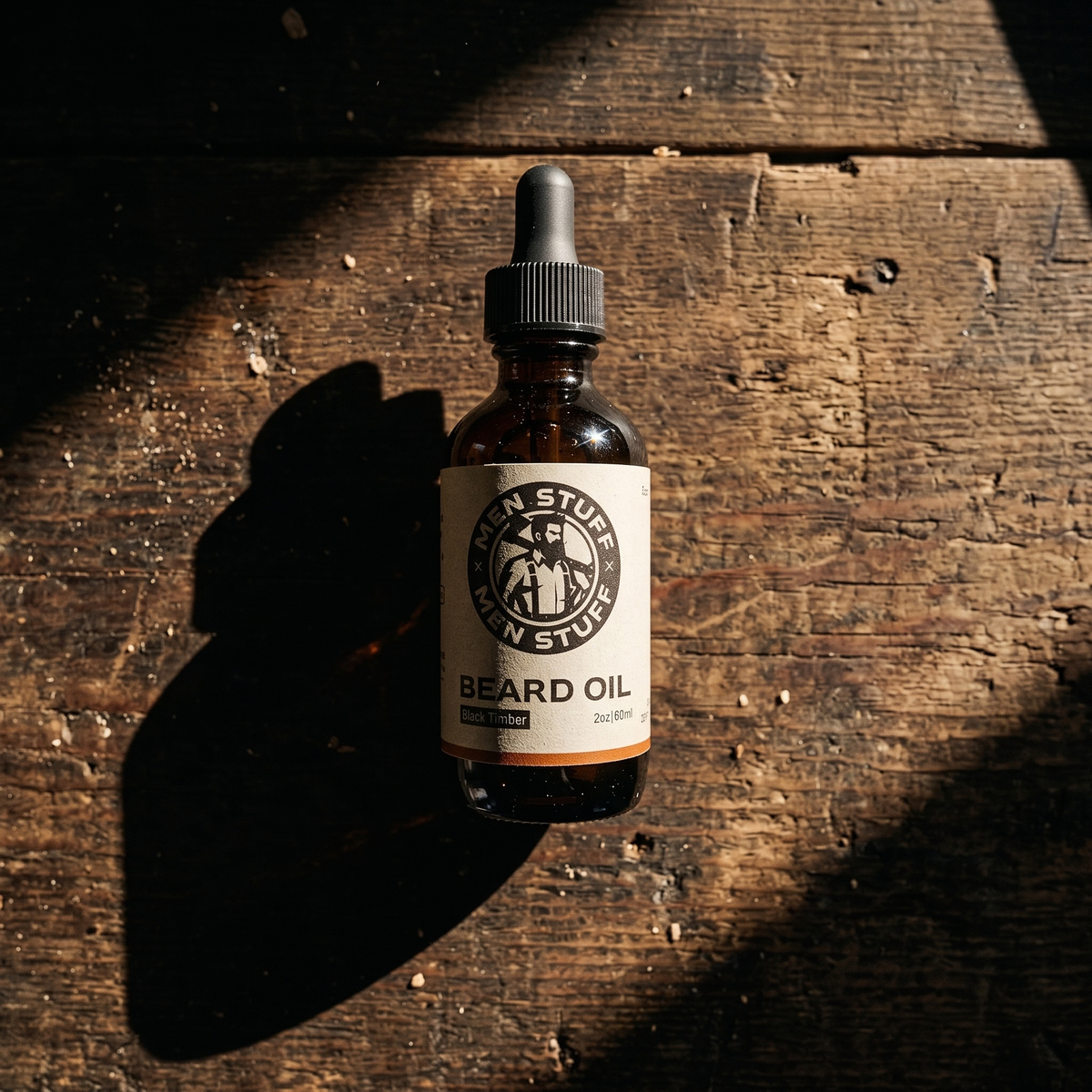
Our Beard Oil fits that brief. It combines argan, jojoba, grape-seed, castor, coconut, and vitamin E. It softens coarse, wiry hair, conditions the skin underneath, and cuts dryness and itch. The feel is lightweight, with no grease and no shine.
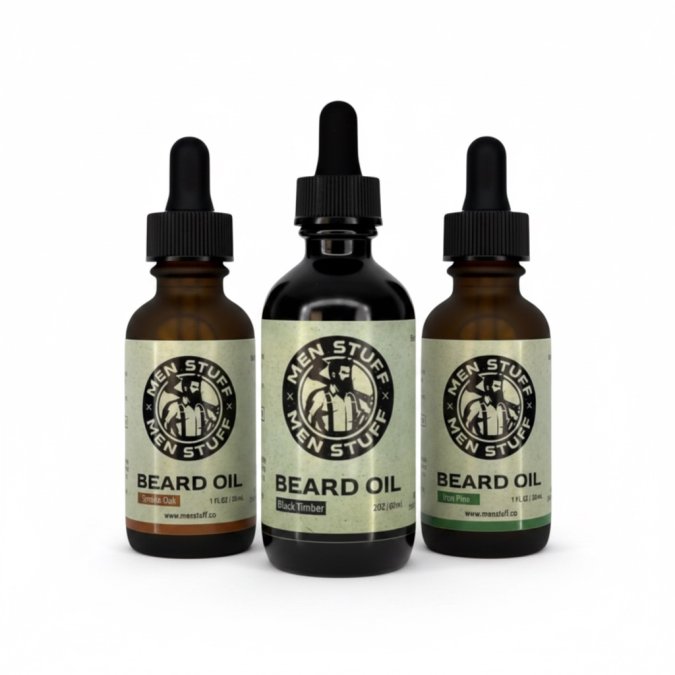
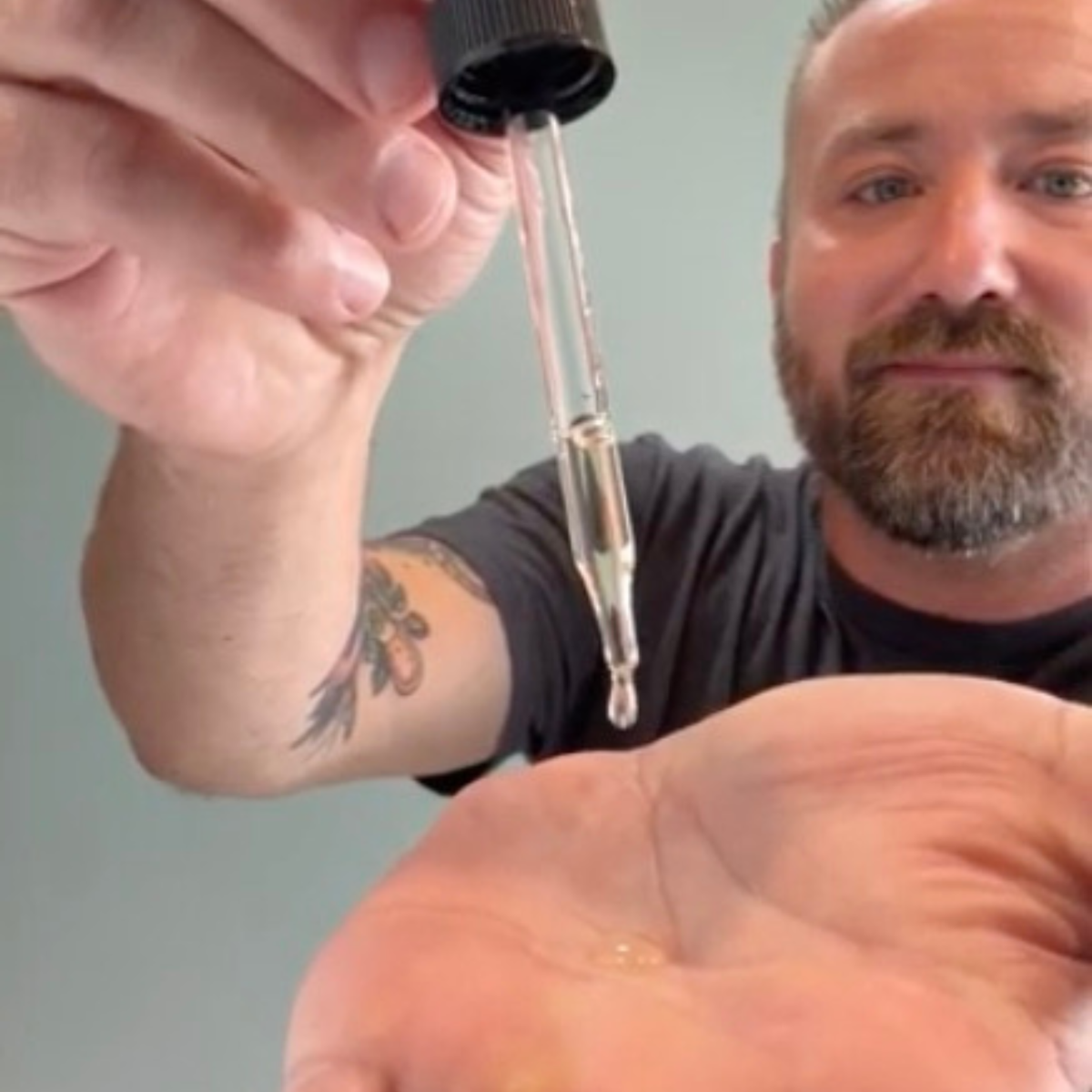
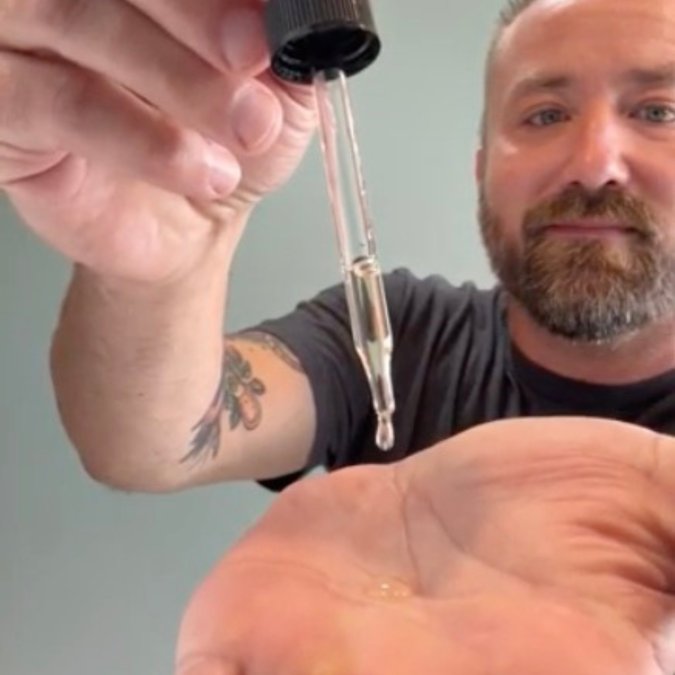
A little goes a long way. Start with three to five drops, rub it across your palms, then work it into the skin first and the beard second.
Step 4: A Beard Grooming Routine for Sensitive Skin in 5 Minutes
A beard grooming routine for sensitive skin takes about five minutes a day and follows one fixed order. Wash, oil, brush. Do it in that sequence and the itch rarely comes back.
Here is the full routine:
- Wash with lukewarm water and sulfate-free beard wash (1 minute)
- Pat dry and leave the beard slightly damp (30 seconds)
- Oil with three to five drops, skin first, hair second (1 minute)
- Brush with a boar bristle brush to spread oil and lift dead cells (1 minute)
- Leave it alone. No touching, no scratching through the day
Wash, Oil, Brush: The Daily Order
The order matters more than the products. Washing clears buildup, oiling feeds the skin, and brushing spreads everything evenly while removing loose dead cells. Reverse the order and you trap dirt under oil; skip the brush and oil sits in one spot.
Diet, Allergies, and When Beard Itchiness Needs a Doctor
Most beard itch advice stops at the skin. That is a mistake: three of the most stubborn cases, internal deficiency, contact dermatitis, and actual skin disease, cannot be fixed with another oil. Here is how to tell them apart.
Diet and Hydration: The Internal Side of Beard Itch
Your skin rebuilds itself from what you eat and drink. Two factors matter most for the skin under a beard:
- Water intake. Dehydrated skin produces less sebum and repairs more slowly. If your skin feels tight even after oiling, water is the missing piece. Most adults do well aiming for roughly eight cups of fluid a day, more in hot weather or after exercise.
- Healthy fats. Sebum is built from fats. Diets very low in omega-3 and omega-6 sources, fatty fish, nuts, seeds, olive oil, avocado, can leave skin dry and slow to recover.
- Key micronutrients. Zinc and biotin both play roles in skin maintenance and repair. If you suspect a deficiency, ask a doctor or registered dietitian before adding supplements, since more is not better and some can interact with medications.
A practical test: give your topical routine two full weeks. If the itch improves but never fully clears, look at what you are eating and drinking before buying another product.
Allergies and Ingredient Sensitivity
Contact dermatitis, an allergic or irritant reaction to something touching your skin, is one of the most underdiagnosed causes of beard itch. It often looks like ordinary dryness, which is why guys keep moisturizing a problem moisture cannot fix.
The usual suspects in beard products:
- Synthetic fragrance and parfum, the single most common trigger.
- Essential oils, natural does not mean safe for everyone. Citrus oils, lavender, tea tree, and peppermint are frequent offenders.
- Preservatives, some people react to common preservatives used to keep water-based products stable.
How to tell if it is a reaction and not just dryness:
- Itch, redness, or burning that appears within hours to a couple of days of trying a new product
- A rash that follows the shape of where you applied the product
- Symptoms that improve when you stop using it and return when you restart
If that pattern fits, stop the product, switch to a short-ingredient, fragrance-free formula, and patch-test anything new on the inside of your forearm for 48 hours first.
When It Is Not a Grooming Problem
Some beard itch is a medical condition that no amount of washing and oiling will fix.
Seborrheic dermatitis shows up as greasy, yellowish scales with red, inflamed skin underneath, often along the jawline, nasolabial folds, and eyebrows.
Fungal infections tend to present as a ring-shaped rash, persistent flaking, or itching that worsens in warm, damp conditions.
See a doctor or dermatologist if you notice:
- Red, scaly patches that spread or do not improve with a solid routine
- Severe itching that wakes you at night
- Pus, crusting, oozing, or open sores
Those signs point to a medical condition, not dry skin.
Common Mistakes That Keep Your Beard Itchy
Most stubborn itch comes down to a handful of habits. Fix these and it usually clears up fast.
Mistake |
What It Causes |
The Fix |
|---|---|---|
Washing with bar soap or shampoo |
Strips natural oils, tight dry skin |
Use a sulfate-free beard wash |
Skipping oil on damp skin |
Poor absorption, surface dryness |
Oil while the beard is still damp |
Scratching through the day |
Micro-tears, more irritation |
Brush instead of scratch |
Hot showers on the face |
Oil loss, flaking |
Turn the temperature down |
Trying new scented products often |
Allergic reactions |
Stick to one simple routine |
One more: expecting a fix overnight. New growth itch fades as hair gets longer and softer. Give any routine two to three weeks before you judge it.
Conclusion: Consistency Beats Quick Fixes
No single product ends beard itchiness in a day. The guys who beat it wash, oil, and brush every day without overthinking it. A simple routine done consistently beats a cabinet full of half-used bottles.
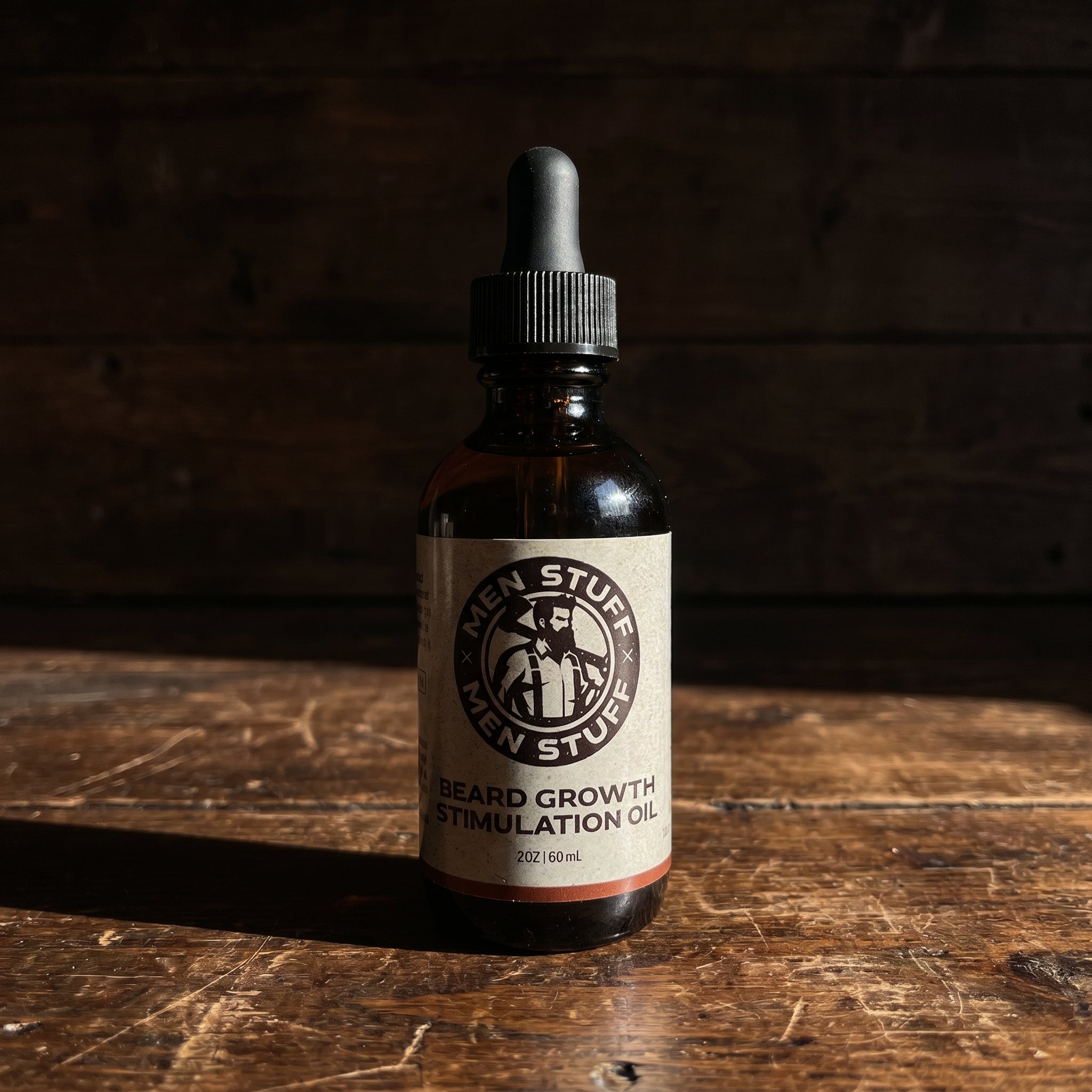
That is what we build at Men Stuff: no fluff, no flower-shop scents, and products that do what they say. Our Beard Wash cleans without stripping, our Beard Oil calms the skin and softens coarse hair, and our Beard Growth Stimulation Oil supports healthier skin for guys still filling in patches.

Shop All MEN STUFF →
Frequently Asked Questions
What can I use if my beard is itchy right now?
Start with 2 to 3 drops of a lightweight beard oil worked into the skin under the beard, not just the hair. Massage it in with your fingertips for about 30 seconds. If the itch is from dryness, relief is often noticeable within minutes. For longer-lasting results, follow with a wash-and-moisturize routine and skip hot water, which strips the natural oils your skin needs.
How often should I wash my beard to prevent itching?
Two to three times a week works for most men. Daily washing with a harsh bar soap removes too much sebum, the oil your skin produces to stay comfortable, and that dryness is a common cause of beard itch. When you do wash, use lukewarm water and a sulfate-free beard wash, then apply oil while the beard is still slightly damp to lock in hydration.
Can diet affect beard itchiness?
It can. Diets low in healthy fats and omega-3s can leave skin drier and more prone to irritation, which shows up as itch under facial hair. Staying hydrated and eating foods like salmon, walnuts, and olive oil supports the natural oils your skin needs. If you change your grooming routine and the itch persists, your diet is worth a look before you buy another product.
How long does beard itch usually last for beginners?
For most men, the worst of it passes in 2 to 4 weeks as the skin adjusts to hair growth. The itch often returns around the 3-month mark, when the beard enters a longer growth phase and hairs push through the skin. Consistent cleansing, exfoliating, and moisturizing shortens both windows. If itching continues past 6 months or comes with redness and flaking, see a dermatologist.